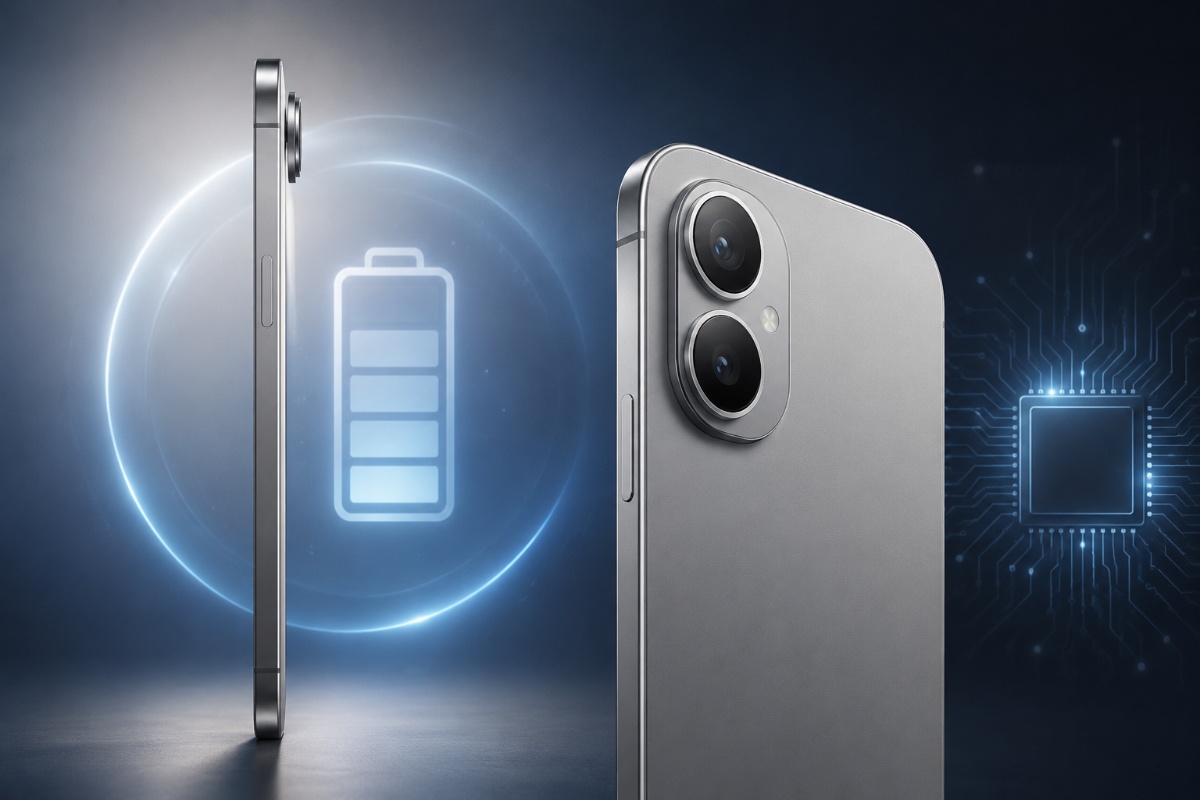
iPhone Air 2 leaks: Apple’s slim iPhone may be getting the battery and camera fixes that decide whether the Air line becomes more than a design experiment.
When Apple launched the iPhone Air in September 2025, it proved the company could build a shockingly thin phone. It also exposed the tradeoff. The device measured 5.6mm thick and weighed 165 grams, making it Apple’s thinnest iPhone, but its camera and modest battery life made it harder to recommend as a main phone. Now early iPhone Air 2 leaks point directly at those weak spots. Digital Chat Station’s original Weibo post puts the next model’s battery at roughly 3,500 mAh, up from 3,149 mAh on the first Air. Jon Prosser has also claimed the device will gain a second rear lens, specifically a 48MP ultrawide camera. Bloomberg has tied the model to a spring 2027 launch, outside Apple’s usual fall iPhone window. Apple has not confirmed these specs, and plans can still change. But if accurate, these leaks show Apple doubling down on the slim concept while making it less punishing in daily use.
The Sources Deserve Careful Weight
Digital Chat Station is a frequent supply chain focused leaker, especially around smartphone components. The account is often useful for early hardware specifications, but it remains an unofficial source. Its 3,500 mAh battery claim should be treated as informed supply chain rumor, not confirmed Apple product data.
Prosser is a high profile Apple tipster with a more mixed reputation. His design renders and early hardware claims often drive discussion, but they carry less weight than formal supply chain reporting or Bloomberg style product roadmap reporting. That distinction matters here. The battery and camera leaks are plausible, but neither should be treated as final until Apple announces the phone.
Battery Life Is The First Test
Digital Chat Station’s battery figure would represent an increase of just over 11%. That does not guarantee 11% more battery life. Endurance depends heavily on chip and display efficiency. Still, a larger cell gives Apple more room inside a phone with little spare space.
Fitting a 3,500 mAh cell into a 5.6mm chassis will require serious internal engineering. Apple may get help from the expected A20 chip, rumored to use TSMC’s 2nm class N2 process. TSMC says N2 volume production began in Q4 2025, which makes the 2027 timing more realistic for a future iPhone chip.
Jon Prosser described the expected battery improvement as “Nothing dramatic, but definitely noticeable.”
That likely means buyers should not expect a 2 day phone. A more realistic gain would be extra breathing room during heavy days: more camera use, more navigation, more 5G browsing, and fewer late afternoon battery warnings. For the Air line, that kind of improvement may matter more than a headline grabbing leap.
A Second Camera Would Fix The Visible Compromise
The rumored 48MP ultrawide camera may matter as much as the battery increase. The first iPhone Air prioritizes thinness, but a single rear lens made it feel limited beside other modern iPhones. An ultrawide camera would improve group photos, indoor shots, landscapes, and casual video. It would also stop buyers from feeling they are paying a premium just for a thinner chassis.
A dual camera Air would narrow the gap with the regular iPhone, while Pro models would keep advantages such as advanced zoom and larger camera systems. Apple does not need the Air to become a Pro phone. It needs the Air to stop feeling like the iPhone that asks buyers to accept obvious daily compromises.
Users Are Split On What The Air Should Be
A quick look at social media replies around the leak reveals a divided user base. Some users want longer battery life and a second lens. Others argue the Air should stay relentlessly focused on weight. To them, adding bulk for mainstream features ruins the phone’s purpose.
Some users also asked for better speakers and improved heat management. An ultra thin titanium body leaves less internal volume and thermal mass than a thicker phone. During gaming, camera use, 5G data, or high brightness outdoors, there is less room to spread heat.
Apple Is Testing Whether The Air Can Be Practical
Apple is walking a tightrope: bulk the Air up too much and it just becomes a standard iPhone; leave it too stripped down and it remains a pricey novelty. A device branded Air must deliver on weight and size, but a modern iPhone also has to survive a full workday and handle basic photography.
These upgrades could transform the Air from a fragile fashion statement into a practical daily driver. Battery capacity, camera hardware, heat control, and price all have to land together. The market stakes are already clear. After weak first generation demand, reports said Apple planned to cut iPhone Air production from November to less than 10% of its September volume. Thinness got the Air noticed. Utility will decide whether the second version earns a larger place in the lineup.
Also Read: The $40 Abxylute S8 Lite Delivers Hall Effect Joysticks to Gamers on a Budget

Anup Singh is an independent technology journalist and content writer covering Apple, Android, AI, laptops, gaming, and the consumer tech industry. He focuses on delivering factual, well researched, and easy to understand reporting while explaining how new technologies impact everyday users.
1 thought on “Apple’s iPhone Air 2 Leaks Point To Critical Battery And Camera Upgrades”